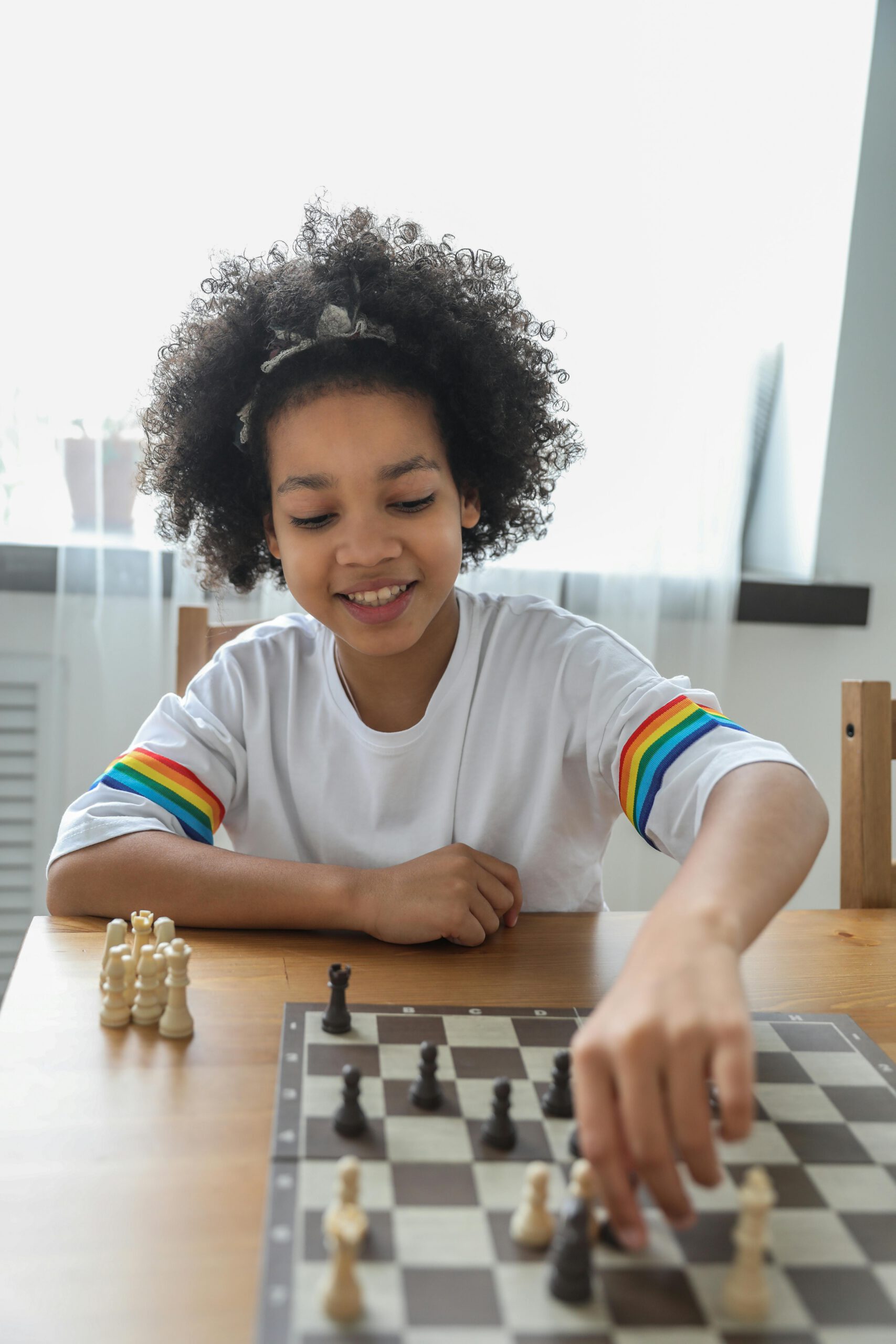
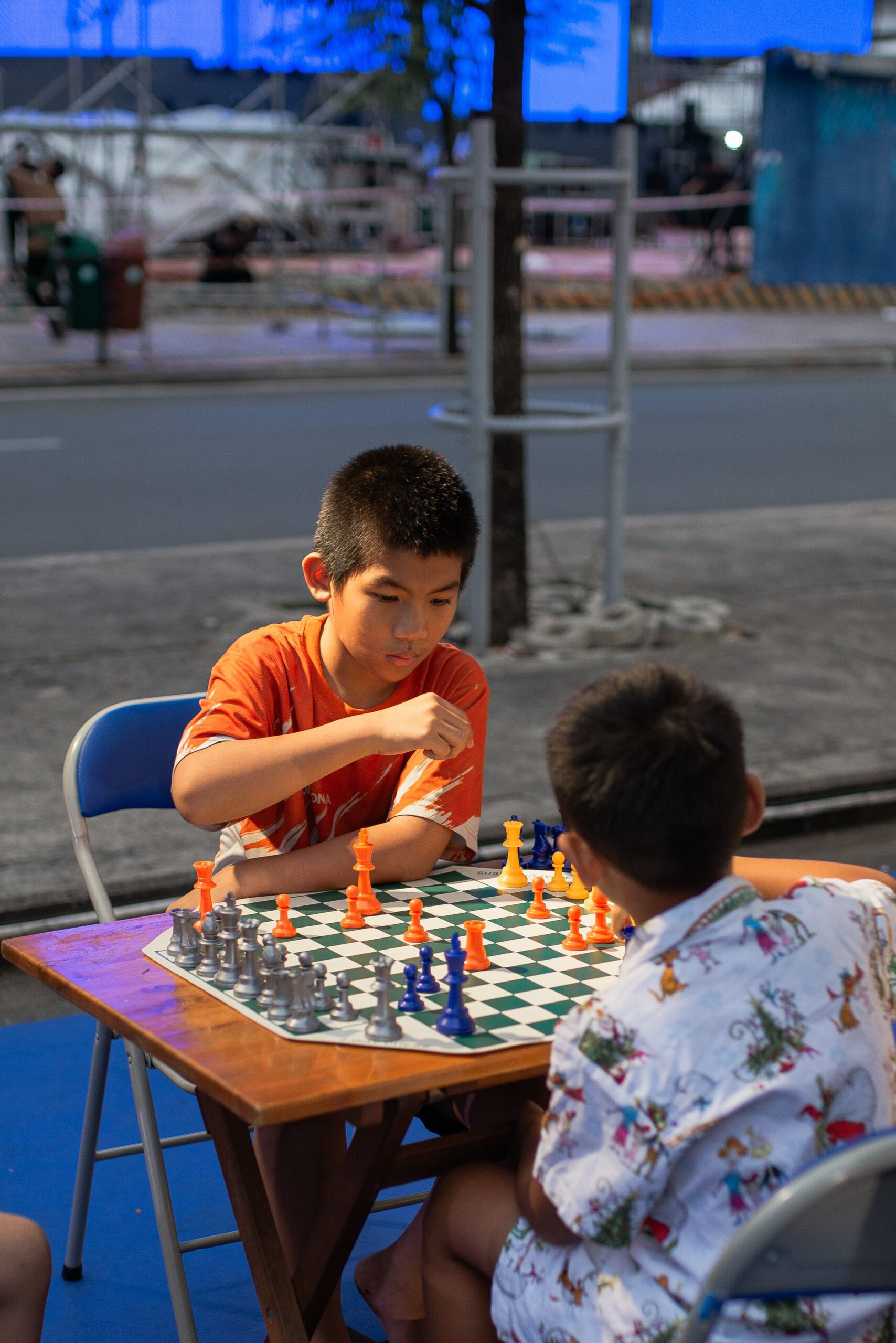
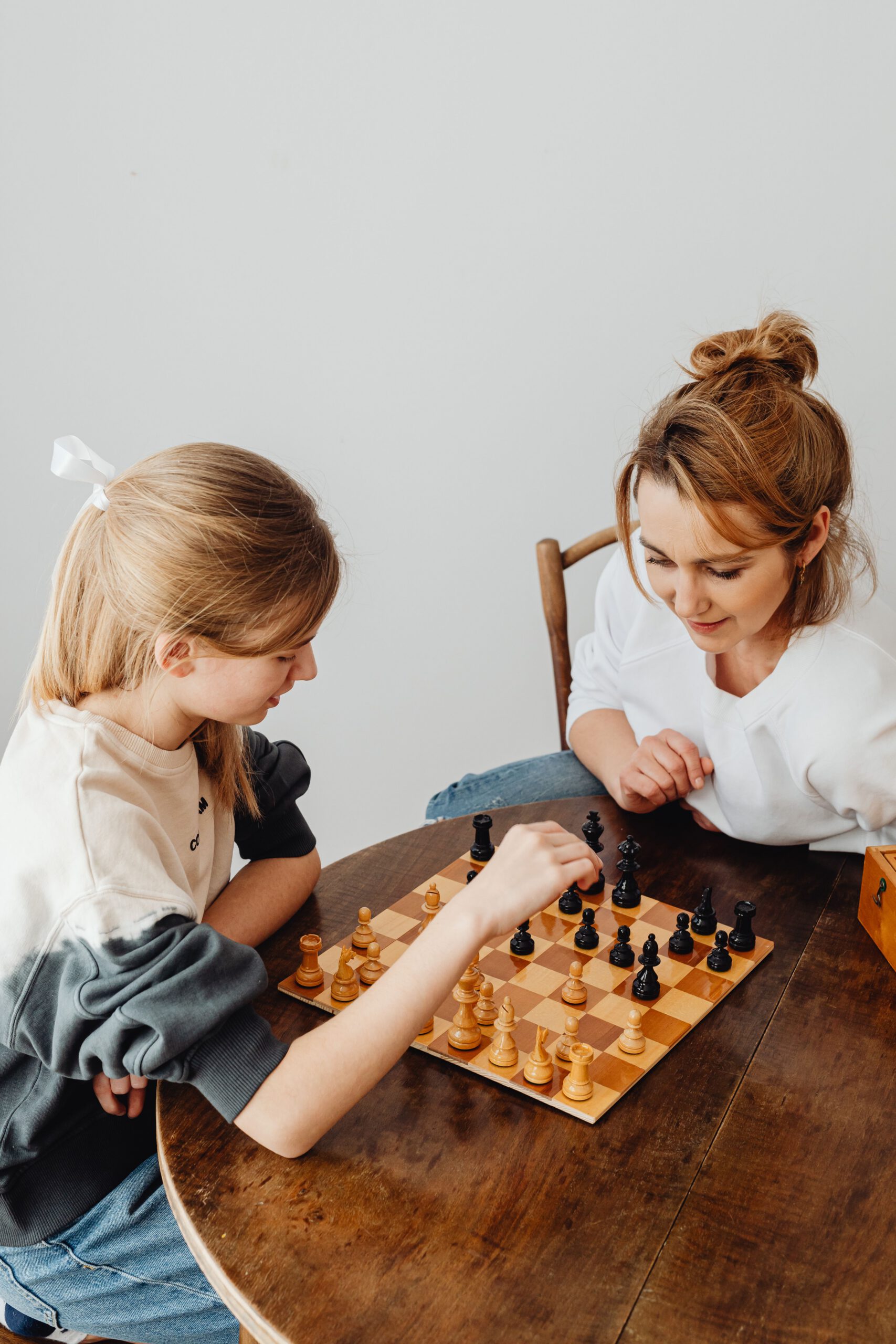
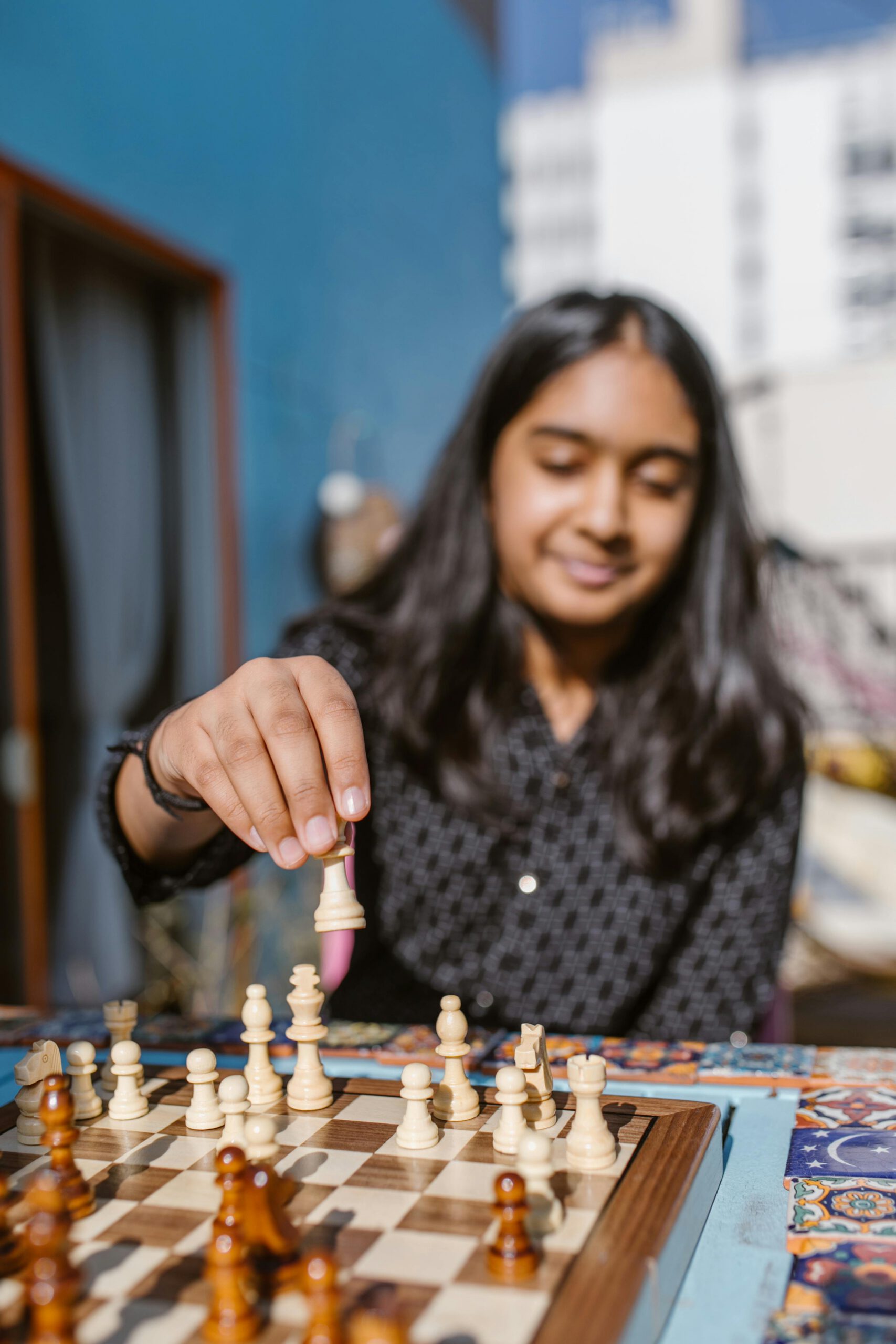


Spreading
The Joy Of Chess!
OUR Philosophy
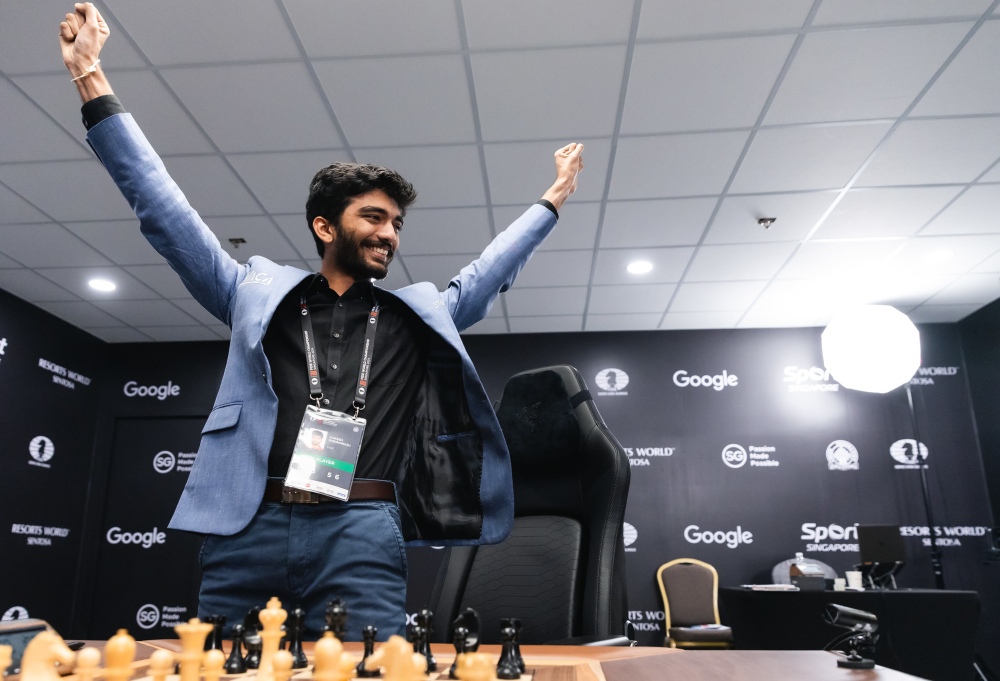
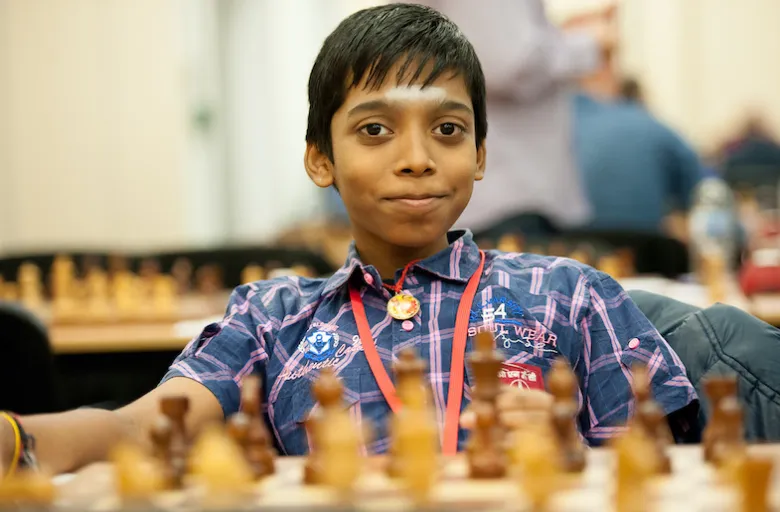
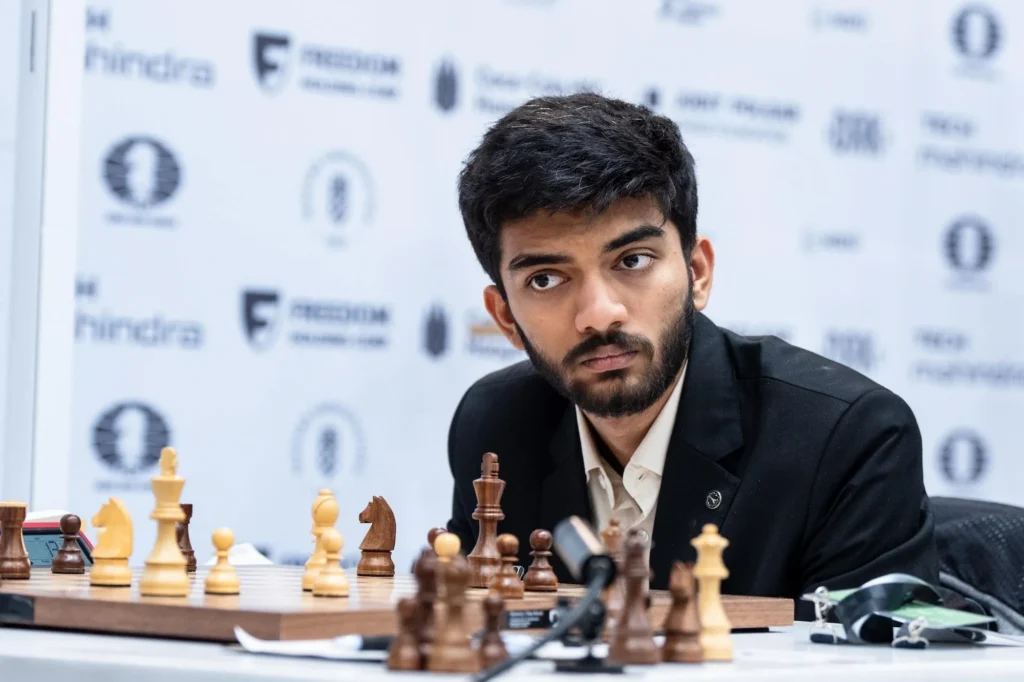
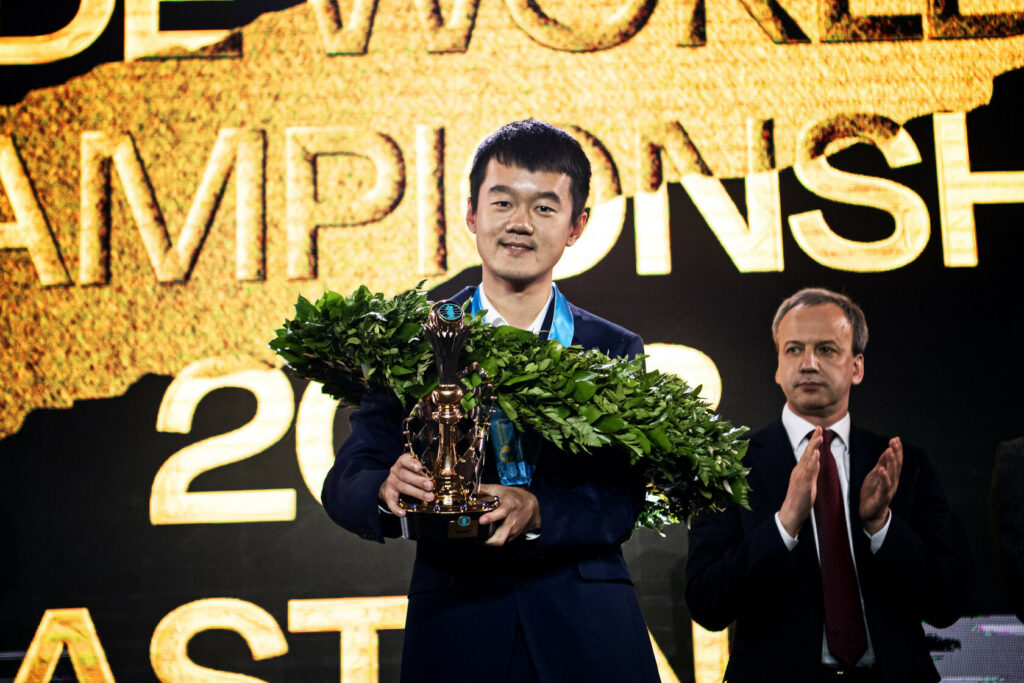
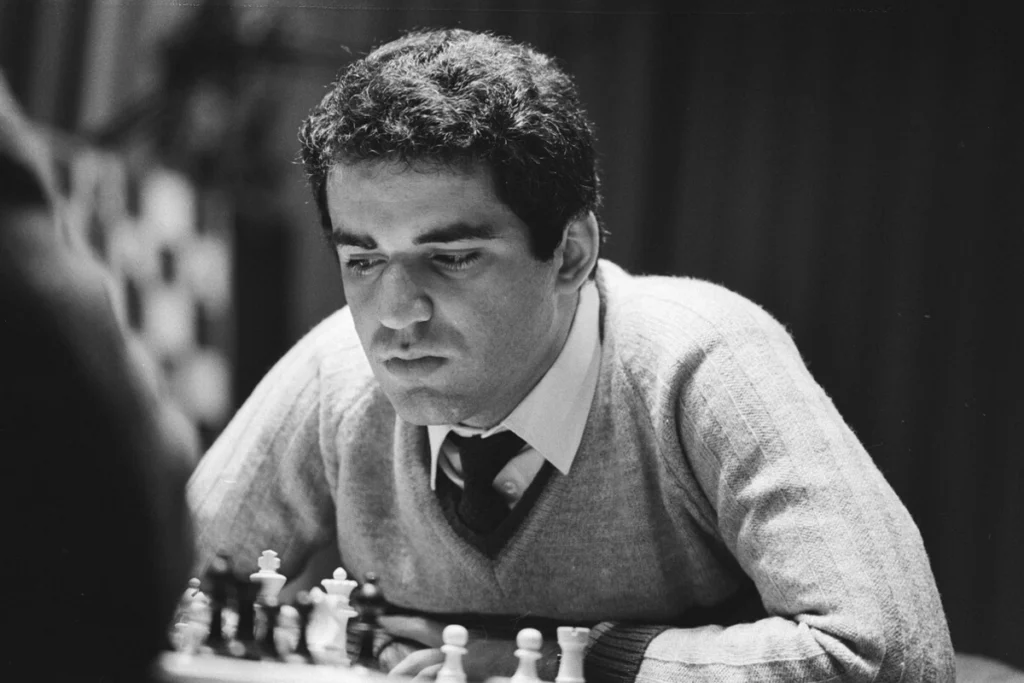
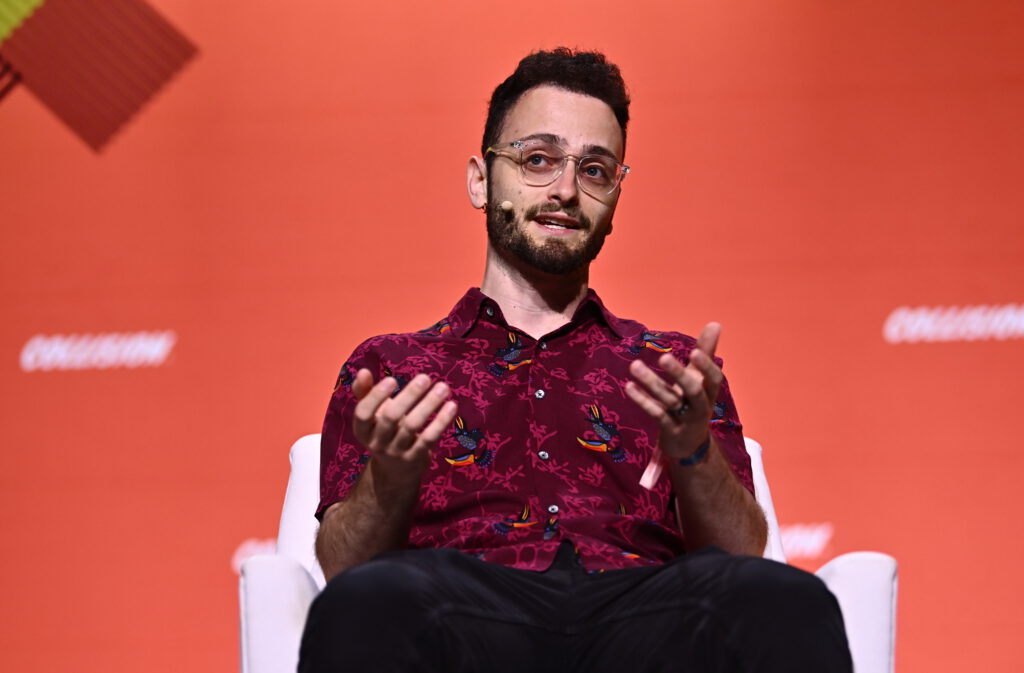
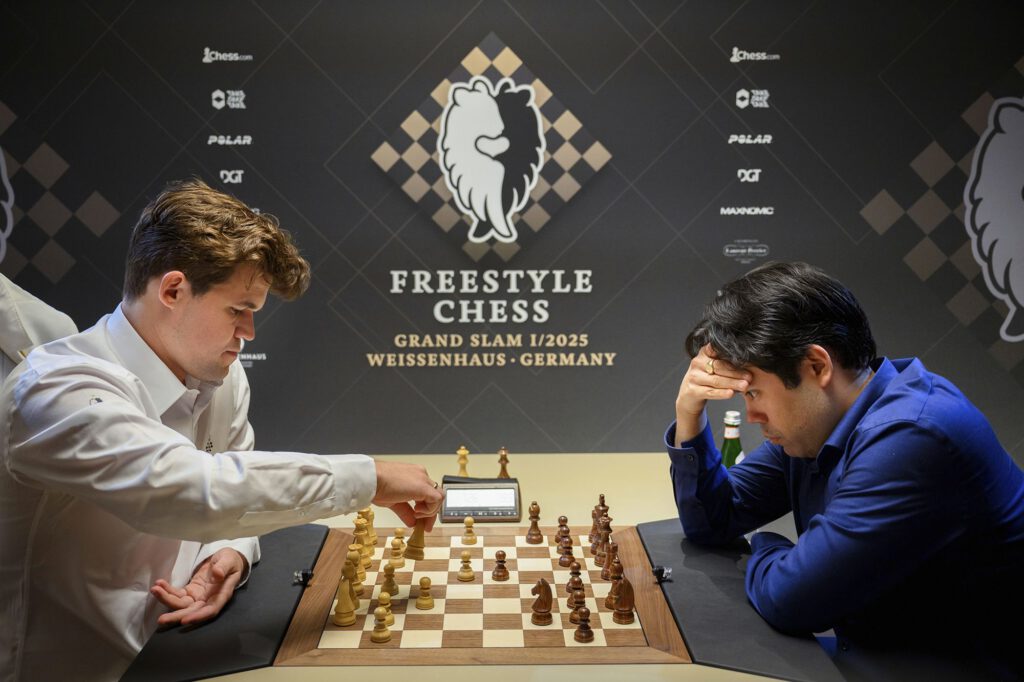
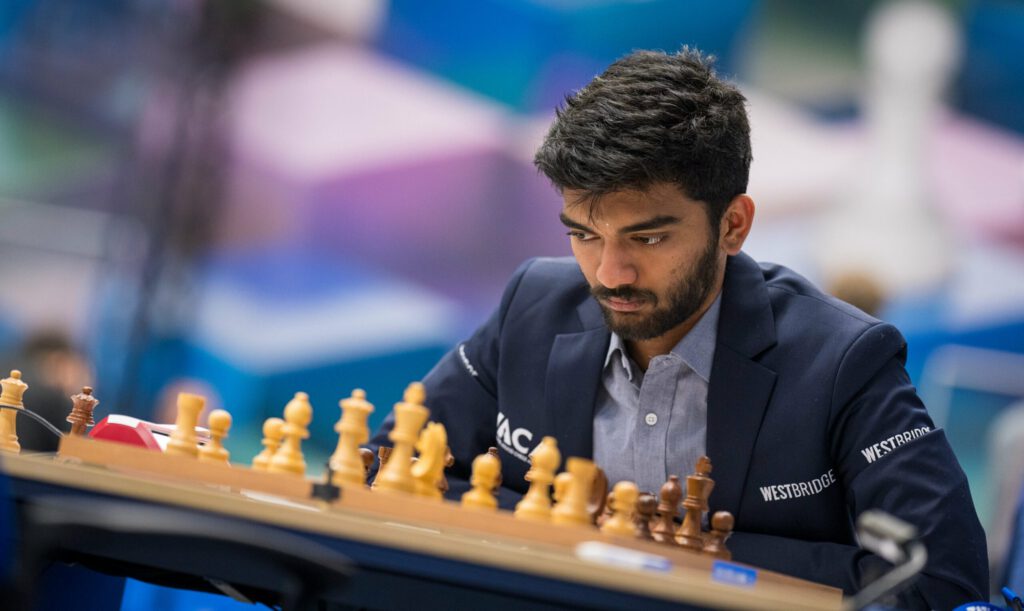
Chess is one of those rare games that stays with you for life. Once you fall in love with it, it never really leaves. That's the experience we want every student to have. At One Move Ahead, we teach chess in a way that builds genuine passion for the game — not just moves and rules, but a real love for thinking, competing, and growing. We keep things fun, personal, and encouraging, because a child who enjoys learning will always outperform a child who doesn't. Our goal isn't just to make better chess players. It's to build sharper, more confident thinkers — kids who know how to face a hard problem or challenge and not give up. We're inspired by players such as Magnus Carlsen, Hikaru Nakamura, Gukesh Dommaraju, and Ding Liren — and we believe that everyone (especially children) carries that same incredible potential, just waiting to be unlocked.
Every great player started as a beginner. We're here to make sure that beginning counts.
What you will gain
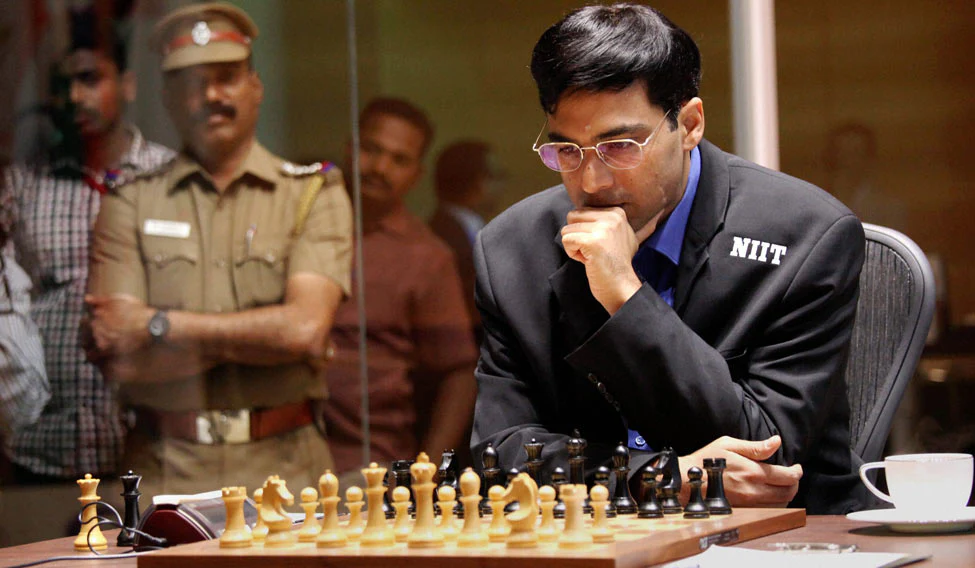
Chess isn't just a game — it's a full brain workout, simultaneously activating both hemispheres and demanding logic, memory, and spatial awareness all at once. The benefits to both adults and children are clear. Research shows that students who play chess improve in spatial reasoning, long-term planning, decision-making, memory, and critical thinking — and it goes beyond the board.
For children, the evidence is clear. A meta-analysis of 24 studies found that chess instruction produces meaningful gains in both math and reading skills in young students. Brain scans show that during a game of chess, a child's brain simultaneously activates areas responsible for reasoning, planning, visual recognition, spatial memory, and emotional processing — all at once. When compared to children playing soccer or basketball after school, children who played chess were significantly more likely to improve their cognitive abilities, problem-solving capacity, and coping skills. A study in New Jersey found that children who played chess for just one year became noticeably more confident — confidence that carried over into school, friendships, and everyday life.
And the benefits don't stop at childhood. For adults, chess is one of the most effective stress-relief tools available: research shows it lowers cortisol, the body's primary stress hormone, while the deep focus required acts as a form of meditation, shifting attention away from daily pressures. Chess also promotes neuroplasticity (the brain's ability to form new connections) which is crucial for maintaining long-term cognitive health. It builds emotional resilience too, training adults to stay composed under pressure and adapt to setbacks, skills that carry directly into work and everyday life. And for older adults, the evidence is striking: a 2023 study in JAMA Network Open followed over 10,000 adults for a decade and found that regularly playing chess was linked to a 9% lower risk of developing dementia. Remarkably, chess outperformed activities commonly believed to be brain-healthy including painting, reading, and craftwork. Chess is one of the few activities that keeps the mind sharp at every stage of life.
At One Move Ahead, we take this seriously. Our lessons are designed to develop real thinking skills that carry on into classrooms, careers, and life. Every student who walks through our program leaves not just a better chess player, but a sharper thinker.
Curriculum Overview
Every lesson at One Move Ahead follows a clear, structured format. Each 1 hour and 30 minute session is divided into three focused blocks: the first 30 minutes introduce new concepts in a guided, easy-to-follow way. Students then spend 30 minutes actively applying what they've learned through targeted exercises. The final 30 minutes are reserved for playing against others because there's no better teacher than a real game.
Progress is tracked continuously, and every student receives a weekly personalized update so they (and their parents if the student is a child) always know exactly where they stand and what they're working toward. Homework is assigned after every class to reinforce learning between sessions.
The course will take place over 6 weeks with 2 sessions per week. At the end, each student will be awarded a certificate for completing the course.
The curriculum itself covers six main stages:
Chess Fundamentals — Piece movement, check and checkmate, castling, notation, and board awareness. Every strong player starts here.
Opening Principles — Controlling the center, developing pieces, king safety, and avoiding the mistakes that hold most beginners back.
Tactical Training — Forks, pins, skewers, discovered attacks, and pattern recognition through hands-on exercises. This is where games are won and lost.
Strategy & Planning — Evaluating positions, building long-term plans, improving pieces, and understanding pawn structures.
Endgame Skills — King and pawn endings, essential checkmates, and converting winning positions with confidence.
Game Analysis & Growth — Reviewing games, identifying strengths and weaknesses, and setting goals. Because improvement never stops.